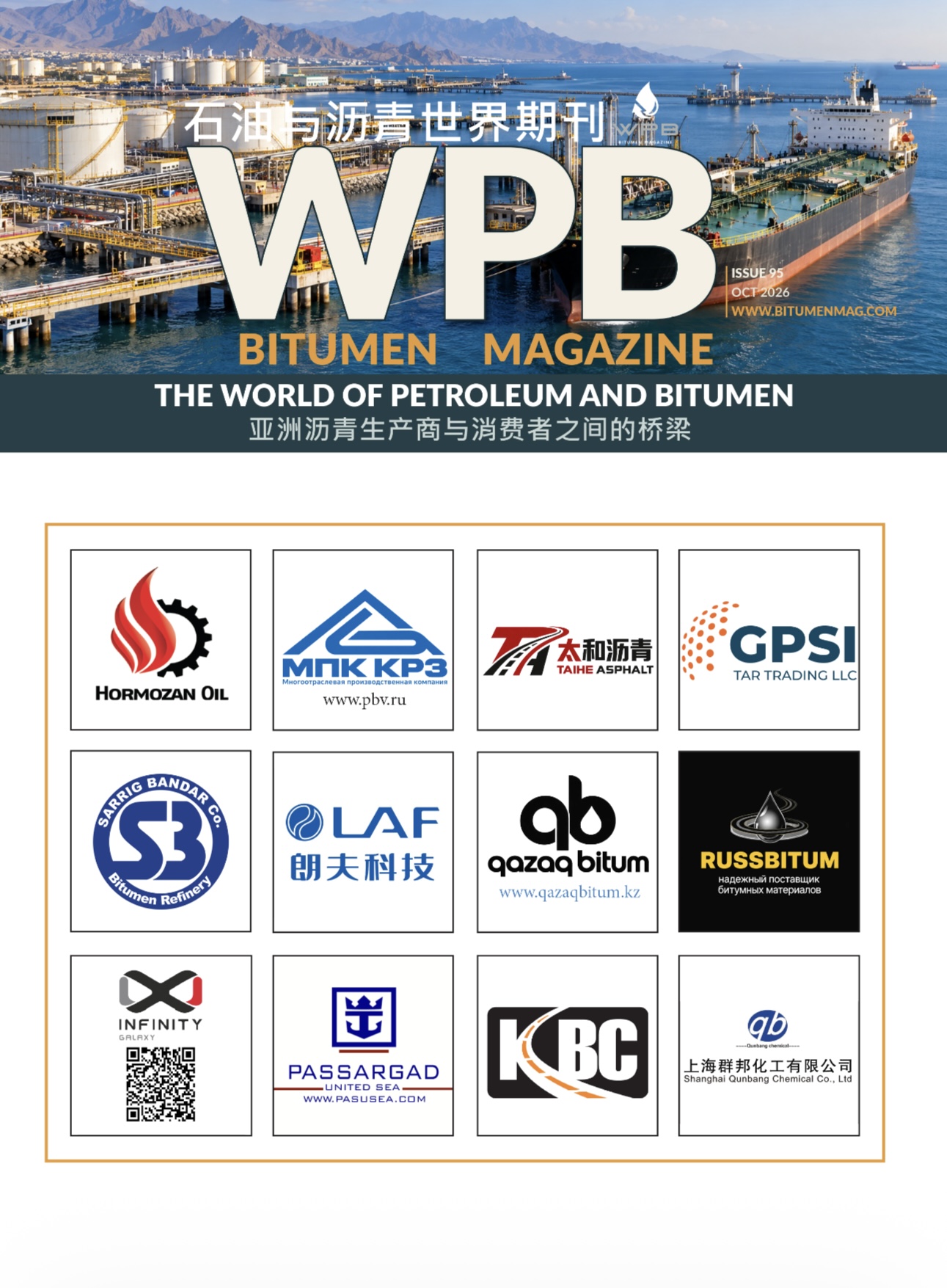
According to WPB, recorded commercial commodity vessel traffic through the Strait of Hormuz fell by approximately 84% during November 14–15, 2026, following renewed attacks on tankers and increasing security concerns across the Persian Gulf. Ship-tracking data from Kpler showed only five recorded transits during the period, compared with 31 in the preceding comparable period, highlighting a sharp deterioration in maritime transportation conditions along one of the world's most important energy corridors.
The figures, released on November 16, indicated that five commodity-carrying vessels crossed the strait on November 14, while no additional crossings were registered in the same vessel category on November 15. The decline of 26 recorded movements represents a reduction of approximately 83.9%, demonstrating the immediate impact of heightened security concerns on observed shipping activity.
The drop followed reports of attacks involving vessels operated by Abu Dhabi National Oil Company (ADNOC). The United Arab Emirates reported that three ADNOC-operated vessels had been attacked, adding to concerns about the safety of commercial shipping in and around the Strait of Hormuz. Separately, ADNOC Logistics and Services confirmed that one of its vessels sustained damage in an attack in UAE territorial waters on November 10.
Maritime security incidents continued during November. The United Kingdom Maritime Trade Operations (UKMTO) reported an attack on a tanker traveling eastward through the Arabian Gulf toward the Strait of Hormuz on November 15. The crew members were reported safe, while the extent of damage and possible environmental consequences remained under assessment.
The latest developments have reinforced the security risks facing vessels transporting crude oil, petroleum products, liquefied gases, and other commercial cargoes. The Strait of Hormuz connects the Persian Gulf with the Gulf of Oman and international shipping routes, making disruptions particularly significant for energy producers, refiners, commodity traders, and maritime operators.
Before the regional conflict began in February 2026, the waterway handled more than 130 vessel movements per day and approximately one-fifth of global crude oil and liquefied natural gas shipments. Although current traffic patterns have changed considerably, the strait remains a critical passage for the international energy supply chain.
The reduction in recorded crossings does not establish a complete halt to shipping. Some vessels may continue operating with their Automatic Identification System (AIS) switched off, restricting the ability of commercial tracking platforms to detect their movements. In addition, preliminary ship-tracking figures may be revised as further vessel-position data become available.
This distinction is important when interpreting the latest statistics. The 84% reduction refers specifically to commodity vessel movements recorded by Kpler during the two compared periods. It should not be interpreted as a verified 84% reduction in total cargo tonnage, crude oil exports, or every category of vessel passing through the strait.
The broader maritime environment remains difficult. The United States has maintained its naval blockade of Iranian ports, while diplomatic efforts to reduce tensions have yet to restore predictable commercial shipping conditions. Restrictions affecting specific ports and vessels are separate from the question of whether all transit through the Strait of Hormuz has ceased.
For the international bitumen industry, the sharp decline in observed traffic is particularly relevant to supply chains connected with Persian Gulf ports. Petroleum bitumen exports rely on specialized bulk carriers, tank containers, and other suitable transport arrangements, depending on packaging and destination. Increased maritime uncertainty can complicate vessel scheduling and the execution of shipments.
The commercial consequences may extend to freight availability, marine insurance, cargo handling arrangements, and delivery schedules. Importers purchasing bitumen from Middle Eastern suppliers must distinguish between a quoted export price and the practical availability of transportation from the loading port to the final destination.
Regional suppliers serving Asia and Africa may also face additional logistical challenges when transport services become less predictable. For buyers in India, Southeast Asia, and East Africa, the availability of alternative supply origins and routes can become more important when Persian Gulf shipments experience delays or uncertainty.
However, the latest traffic figures do not provide direct evidence of an 84% reduction in bitumen exports. Kpler's reported count covers a broader category of commodity vessels, and the available information does not specify how many of the affected movements involved bitumen cargoes. Any assessment of actual bitumen supply losses requires cargo-specific shipping and trade data.
The consequences for bitumen prices also depend on market conditions beyond maritime security. Refinery production, regional inventories, demand from road construction projects, available alternative suppliers, and transportation costs all influence physical bitumen quotations. Security disruptions can increase logistical pressure without necessarily producing an immediate or uniform increase in selling prices.
The November 16 data nevertheless represent an important development for the petroleum and shipping industries. The decline from 31 to five recorded commodity vessel crossings illustrates how renewed attacks can rapidly influence shipping activity even before the full commercial consequences become visible in international trade statistics.
For global bitumen markets, the principal risk is the reduced predictability of cargo movements through a strategic maritime corridor. Continued disruption could place greater emphasis on alternative suppliers, reliable shipping arrangements, and delivered-cost assessments, while the actual impact on bitumen prices and export volumes will depend on subsequent shipment data and market developments.
By WPB
Strait of Hormuz, Hormuz Shipping Traffic, November 2026 Shipping, Kpler Vessel Tracking, Hormuz Tanker Attacks, ADNOC Vessels, Persian Gulf Shipping, Commercial Vessel Traffic, Maritime Security, Oil Tanker Movements, Bitumen Shipping, Bitumen Export Logistics, Middle East Petroleum Trade, Marine Insurance, Bulk Bitumen Transportation, Energy Supply Chain, Global Bitumen Market, Shipping Disruptions, Gulf Freight Market, International Oil Transportation